Recovery
TB 500 WADA status explained for UK athletes: both TB-500 and BPC-157 are prohibited, how UKAD applies the list and why research labels give no defence.
Thymosin beta-4 and its fragments, which includes TB-500, are on the World Anti-Doping Agency Prohibited List, and so is BPC-157, listed under non-approved substances (S0). On TB 500 WADA status there is no ambiguity: UK Anti-Doping applies the WADA list to UK athletes, and anyone subject to testing should not use either peptide.
We explain the meaning of the listings on this page, the reasons for the lack of protection that a consumer buys when purchasing an item with the label “research purpose only”, the impact of the vote made by FDA in July 2026 on athletes, and what UK athletes can do in case they have doubts.
Both peptides are prohibited, but they are listed in different ways. BPC-157 falls under S0, the category for non-approved substances. TB-500 is covered because WADA prohibits thymosin beta-4 and its fragments.
S0 is worth understanding. As the name says, it covers substances without approval for human therapeutic use, which matches BPC-157's position: it is not a licensed medicine in the UK and is not approved by the US FDA.
The distinction in listing does not hold any significance practical matters. Both substances are banned and the Wolverine stack is associated with two banned substances, consequently violating the regulations.
The body known as UK Anti-Doping administers the WADA Prohibited List to athletes within the UK, adhering to the regulations covering athletes that are subject to anti-doping testing according to their sport's anti-doping programme.
Athletes learn that they must follow the concept of strict liability: you are liable for any forbidden substance in your sample, no matter what you think you took. This makes research peptides particularly troublesome. An athlete might receive a mixing vial with a predetermined and vendor-allocated proportion, or they may receive a vial that contains an unverified label, leaving them in the dark regarding what substances were actually ingested.
In case you participate in any sport where testing is performed at any level, don't forget to contact your sport's governing body or UKAD and check the substances you want to take. Neither an individual nor a vendor can provide you with anti-doping advice.
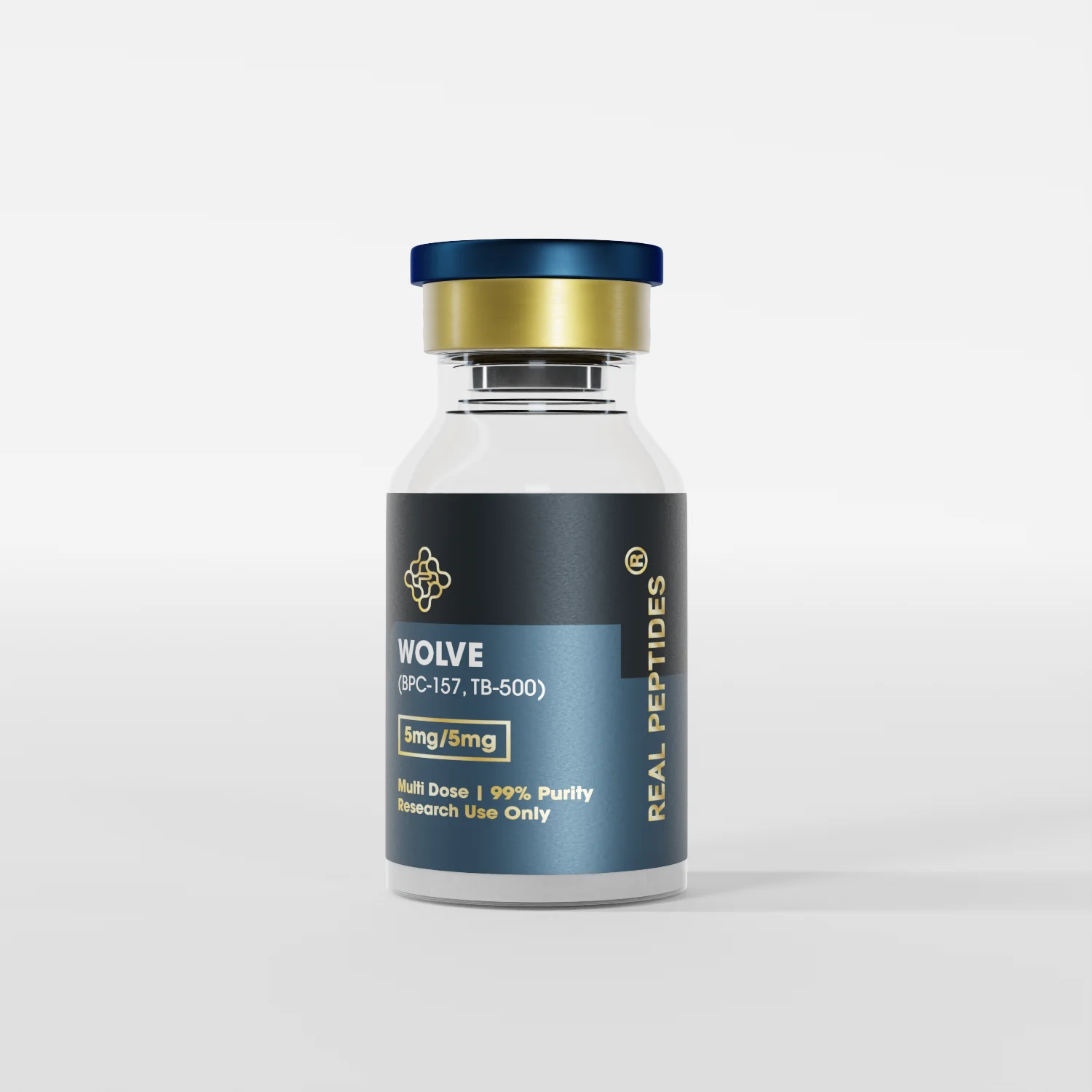
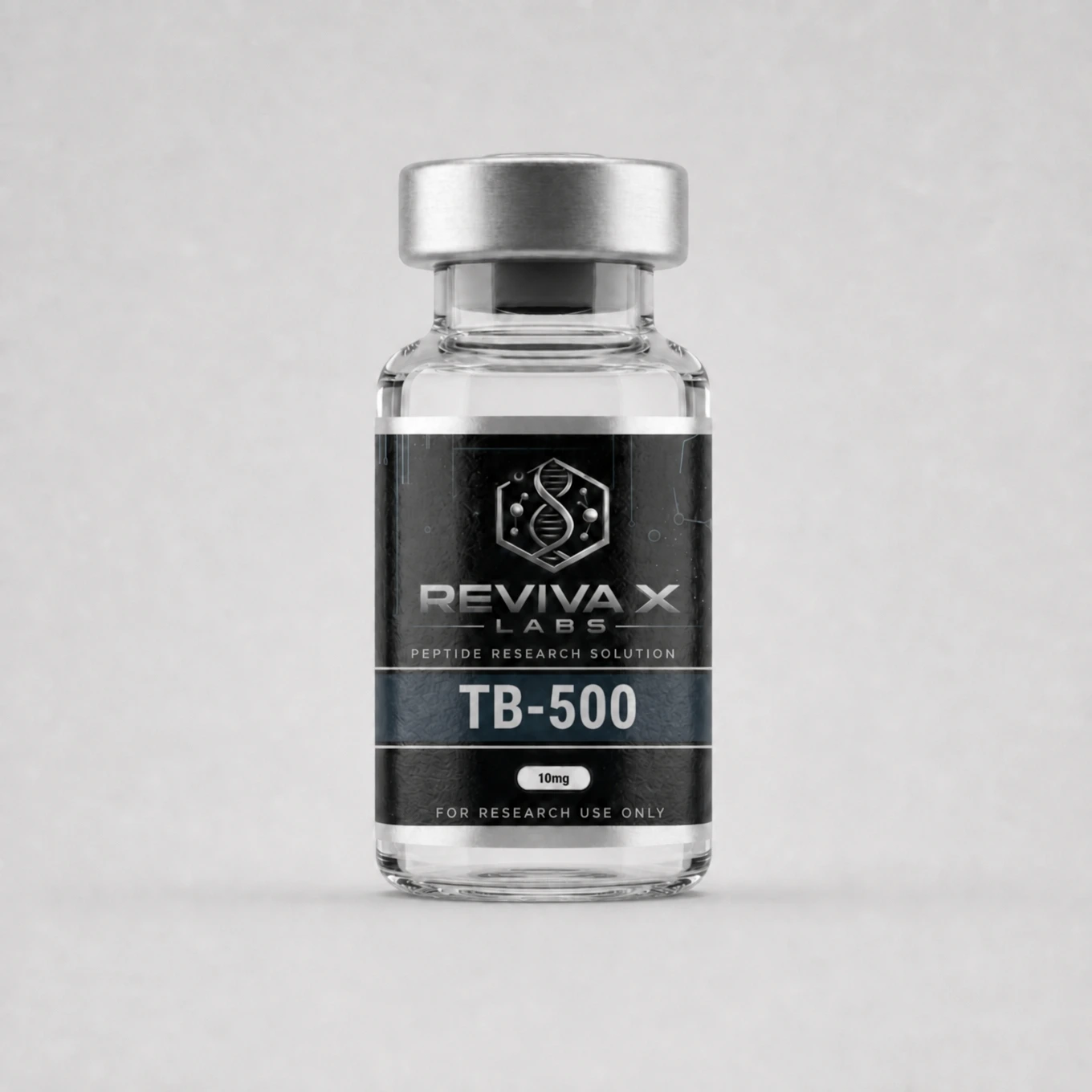
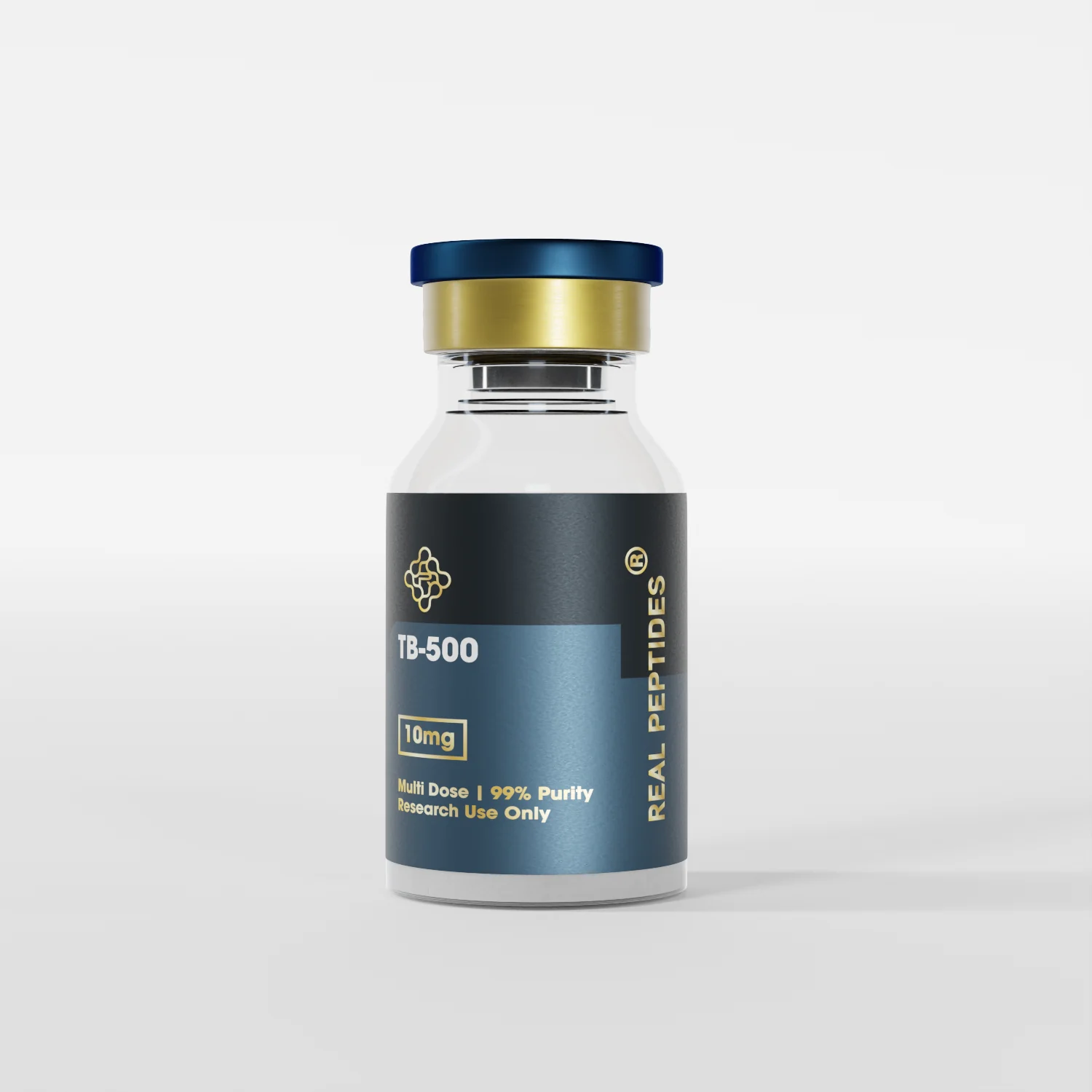
Doping regulations examine athletes’ samples irrespective of the way products were described during purchase. The inscription on TB-500 bottle reading that it is to be “applied for research purposes only” does not change the fact that TB-500 would be considered a WADA anti-doping rule violation.
The same point applies under medicines law. A research label does not make a product legal to supply for human use and does not mean it was made to medicine standards. Under the Human Medicines Regulations 2012, a product promoted to treat injury can be treated as a medicine. Sports injuries are exactly the kind of use these products are promoted for, and in April 2026 The Guardian reported that the MHRA was investigating UK clinics making medicinal claims about unregulated peptides, naming BPC-157 among them. Our TB-500 UK page covers the legal side in full.
The FDA advisory committee's 8-6 votes on 23 July 2026 were about US compounding pharmacies, not about sport. They do not affect the WADA list or UKAD's rules.
Even within the United States, the votes were not obligatory. The FDA has to make a final decision and go through all necessary procedures of proposed and final rulemaking policies; at the time of vote, compounding with BPC-157 and TB-500 was not allowed. The S0 category of WADA deals with approval for therapeutic purposes for people and in the US, the approval of compounding pharmacies for a substance is a completely different thing from the issuance of a medicine license for the drug. Any changes in the Prohibited List are in the competence of WADA.
I mention this because we have seen the vote described online as BPC-157 and TB-500 "being approved". They were not.
For anyone in tested sport, the practical TB 500 WADA guidance is short:
For the scientific background on the two compounds, see BPC-157 vs TB-500. For what is and is not known about safety, see our side effects page.
Thymosin beta-4 and its fragments, which includes TB-500, are on the World Anti-Doping Agency Prohibited List, and so is BPC-157, listed under non-approved substances (S0). On TB 500 WADA status there is no ambiguity: UK Anti-Doping applies the WADA list to UK athletes, and anyone subject to testing should not use either peptide.
We explain the meaning of the listings on this page, the reasons for the lack of protection that a consumer buys when purchasing an item with the label “research purpose only”, the impact of the vote made by FDA in July 2026 on athletes, and what UK athletes can do in case they have doubts.
Both peptides are prohibited, but they are listed in different ways. BPC-157 falls under S0, the category for non-approved substances. TB-500 is covered because WADA prohibits thymosin beta-4 and its fragments.
S0 is worth understanding. As the name says, it covers substances without approval for human therapeutic use, which matches BPC-157's position: it is not a licensed medicine in the UK and is not approved by the US FDA.
The distinction in listing does not hold any significance practical matters. Both substances are banned and the Wolverine stack is associated with two banned substances, consequently violating the regulations.
The body known as UK Anti-Doping administers the WADA Prohibited List to athletes within the UK, adhering to the regulations covering athletes that are subject to anti-doping testing according to their sport's anti-doping programme.
Athletes learn that they must follow the concept of strict liability: you are liable for any forbidden substance in your sample, no matter what you think you took. This makes research peptides particularly troublesome. An athlete might receive a mixing vial with a predetermined and vendor-allocated proportion, or they may receive a vial that contains an unverified label, leaving them in the dark regarding what substances were actually ingested.
In case you participate in any sport where testing is performed at any level, don't forget to contact your sport's governing body or UKAD and check the substances you want to take. Neither an individual nor a vendor can provide you with anti-doping advice.
Doping regulations examine athletes’ samples irrespective of the way products were described during purchase. The inscription on TB-500 bottle reading that it is to be “applied for research purposes only” does not change the fact that TB-500 would be considered a WADA anti-doping rule violation.
The same point applies under medicines law. A research label does not make a product legal to supply for human use and does not mean it was made to medicine standards. Under the Human Medicines Regulations 2012, a product promoted to treat injury can be treated as a medicine. Sports injuries are exactly the kind of use these products are promoted for, and in April 2026 The Guardian reported that the MHRA was investigating UK clinics making medicinal claims about unregulated peptides, naming BPC-157 among them. Our TB-500 UK page covers the legal side in full.
The FDA advisory committee's 8-6 votes on 23 July 2026 were about US compounding pharmacies, not about sport. They do not affect the WADA list or UKAD's rules.
Even within the United States, the votes were not obligatory. The FDA has to make a final decision and go through all necessary procedures of proposed and final rulemaking policies; at the time of vote, compounding with BPC-157 and TB-500 was not allowed. The S0 category of WADA deals with approval for therapeutic purposes for people and in the US, the approval of compounding pharmacies for a substance is a completely different thing from the issuance of a medicine license for the drug. Any changes in the Prohibited List are in the competence of WADA.
I mention this because we have seen the vote described online as BPC-157 and TB-500 "being approved". They were not.