BPC-157 + TB-500 Blend 10mg
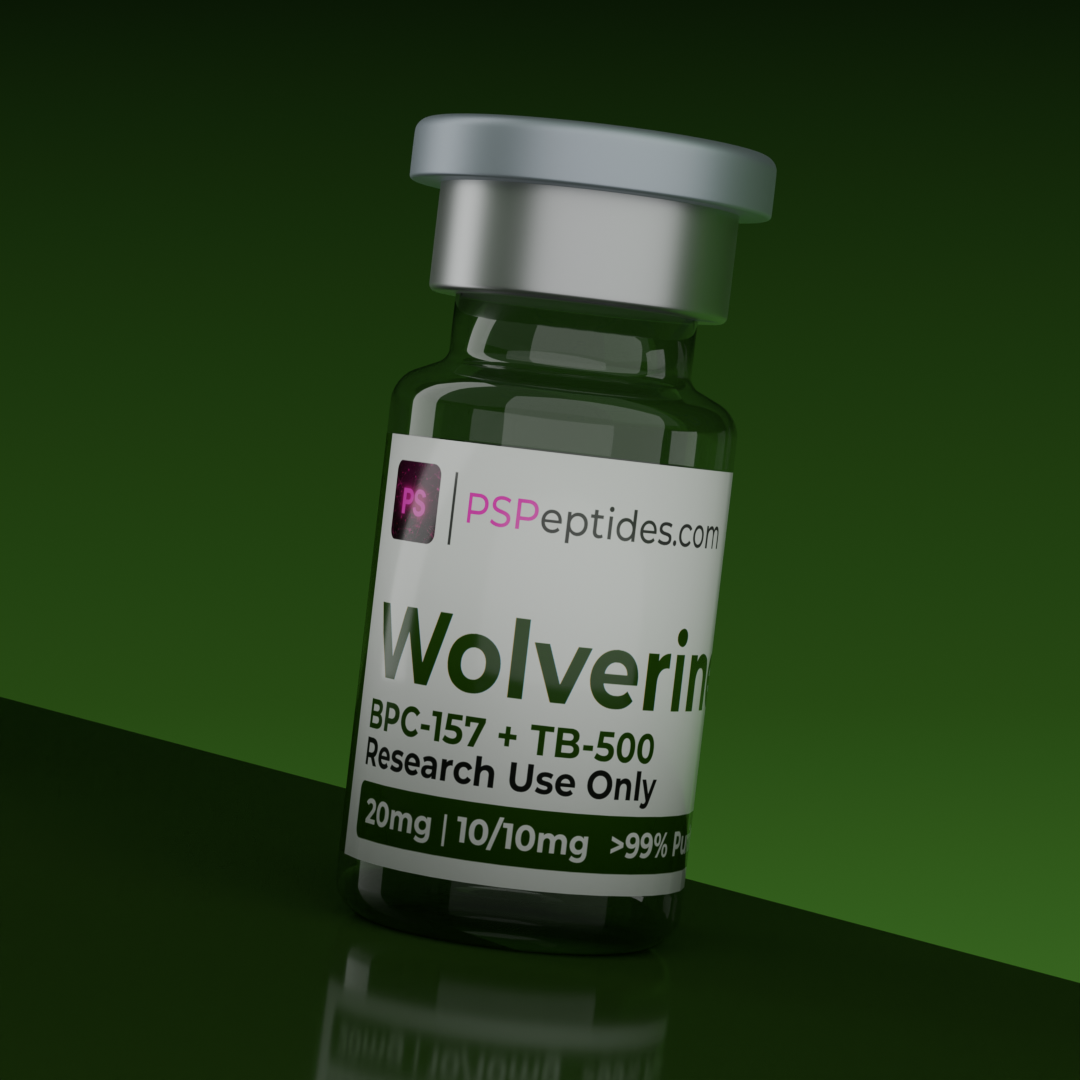
BPC-157 + TB-500 Blend 10mg from PS Peptides, lyophilized powder. Third-party COA published by the vendor. ...
BPC 157 vs TB 500: different origins, the animal research behind each, US and UK regulatory status, WADA listings and listed vendor prices compared.

BPC-157 + TB-500 Blend 10mg from PS Peptides, lyophilized powder. Third-party COA published by the vendor. ...
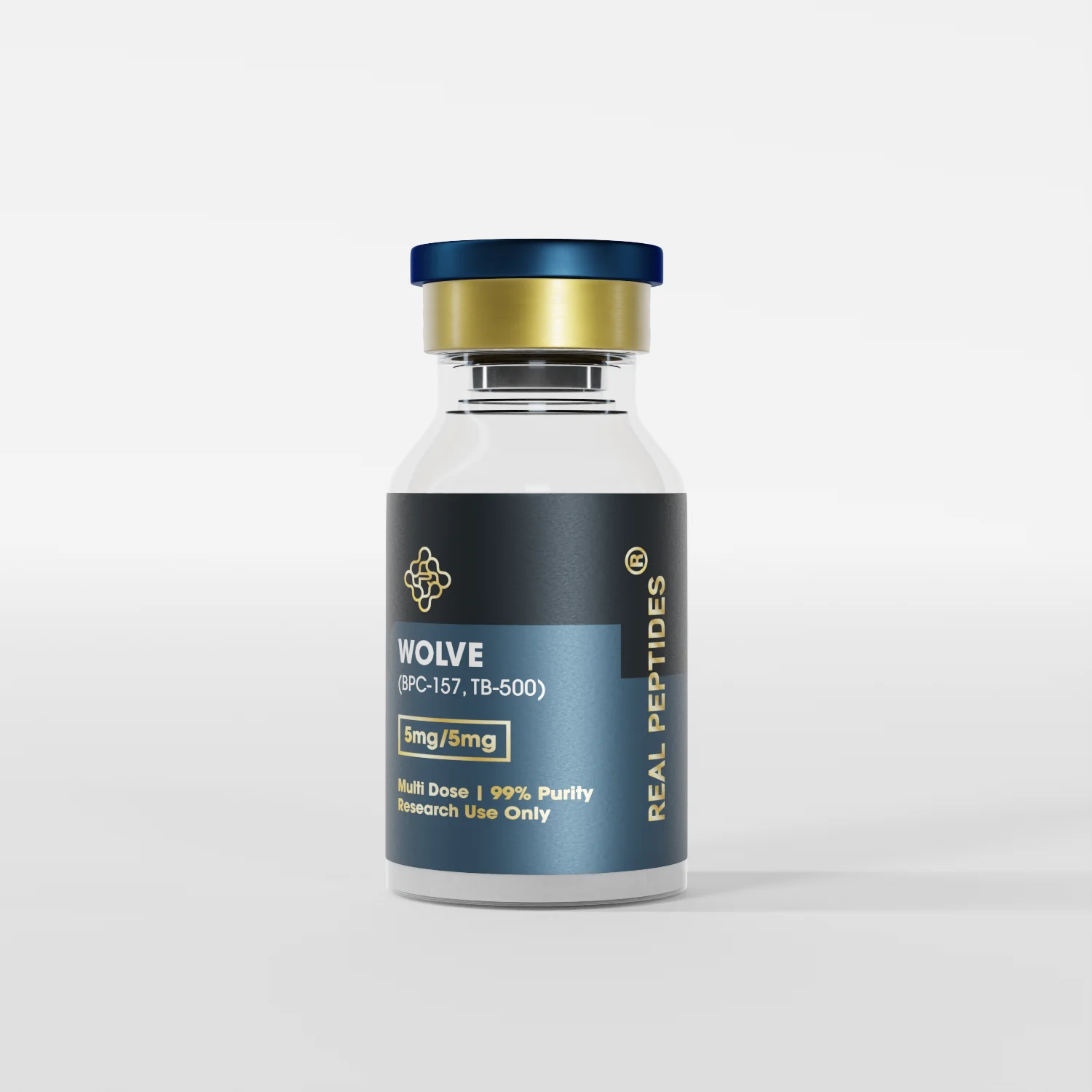
Wolverine Stack peptide for sale: BPC-157 + TB-500 in one vial, independently lab tested, lot COA published...
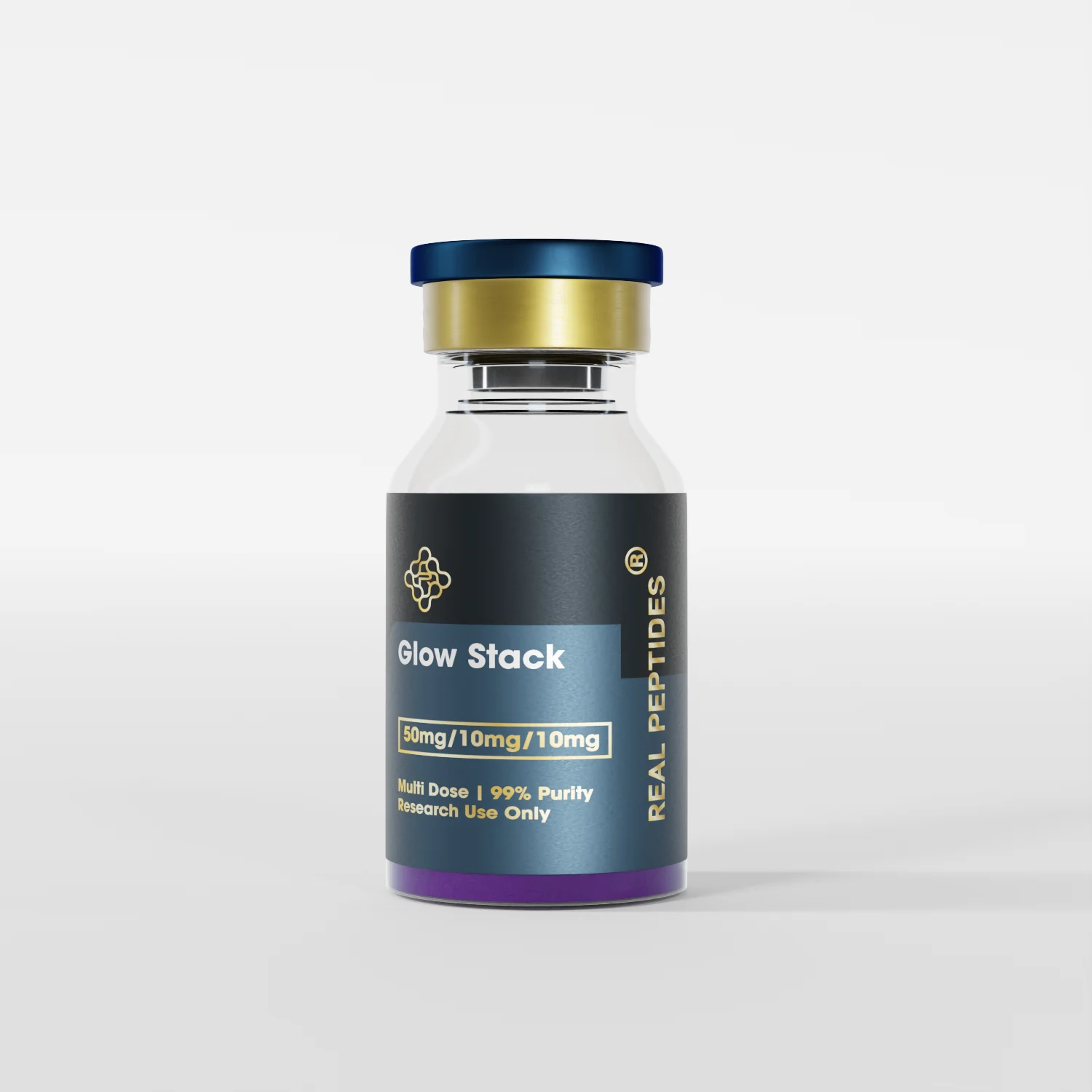
GLOW Stack peptide for research: GHK-Cu 50mg, TB-4 10mg, BPC-157 10mg. Independent lab tested with the lot ...
BPC-157 + TB-500 Blend 10mg from Pure Bio Labs, vial. Third-party COA published by the vendor. Research use only.
| Product | Form | Size | Testing | UK delivery | Price |
|---|---|---|---|---|---|
| PS Peptides BPC-157 + TB-500 Blend 10mg | Lyophilized powder | 10mg | Third-party COA | Vendor ships internationally | $59.99 |
| Real Peptides Wolverine Peptide Stack | Lyophilized powder | 10mg BPC-157 + 10mg TB-500 | Third-party COA | — | $40.80 |
| Real Peptides GLOW Stack | Lyophilized powder | GHK-Cu 50mg + TB-500 10mg + BPC-157 10mg | Third-party COA | — | $86.40 |
| Pure Bio Labs BPC-157 + TB-500 Blend 10mg | Vial | 10mg | Third-party COA | Not stated by the vendor | $129.99 |
BPC-157 is a 15-amino-acid synthetic peptide derived from a protein in gastric juice; TB-500 is a synthetic fragment related to thymosin beta-4. On 23 July 2026 a US FDA advisory panel voted on each of them separately, and both received the same 8-6 recommendation, with one abstention apiece. The BPC 157 vs TB 500 question is therefore less about which is "approved" (neither is) and more about how two quite different compounds came to be sold as a pair.
In this article we discuss the background and history of the biosimilars, how biosimilars are studied, how they are commercially offered, how they are priced and evaluated by regulators.
The two peptides come from unrelated sources in the body. BPC-157 is a synthetic peptide based on a protein found in gastric juice. TB-500 is a synthetic fragment related to thymosin beta-4, a naturally occurring protein.
That difference in origin shapes how they have been studied. BPC-157's gastric background is why researchers have looked at gut tissue alongside tendon and muscle. TB-500's link to thymosin beta-4 is why its research sits in tissue-repair models more broadly. They are not two versions of the same thing, and one does not substitute for the other.
Both depend essentially on animal research and do not have evidence from controlled human trials. The table shows what the evidence we have supports.
| BPC-157 | TB-500 | |
|---|---|---|
| What it is | Synthetic 15-amino-acid peptide from a gastric juice protein | Synthetic fragment related to thymosin beta-4 |
| Main research models | Rodent studies on tendon, muscle and gut | Tissue-repair animal models |
| Human data | Small, uncontrolled studies only | Limited |
| Stage | Pre-clinical | Research compound |
| Studied together? | No controlled human trial with TB-500 | No controlled human trial with BPC-157 |
The statement of a supplier that the two of them "complement" each other, as stated by Peptide God in TB-500 advertisement, is a marketing term and indicates that they operate on the basis of different routes in animal studies, but that is not evidence in studies involving human beings.
In regulatory terms, BPC-157 and TB-500 have followed almost the same route. Both were placed in Category 2 of the FDA's interim bulk-substances lists in September 2023, and both were recommended for the 503A bulks list by the 23 July 2026 vote. That vote is non-binding, and as of the meeting compounding with either was not yet permitted.
In the United Kingdom, neither of them is classified as an approved medication. BPC-157 is the name that has received publicity: It's one of the compounds that was mentioned in The Guardian’s report of April 2026 regarding the investigation of peptide clinics carried out by the MHRA. However, in both cases, human medicines regulations 2012 apply: promote one of them to treat an injury, and it becomes a medicine.
In sport the rules are identical in effect. Both are on the WADA Prohibited List; BPC-157 sits under non-approved substances (S0), and thymosin beta-4 and its fragments are listed as prohibited. Our sport page covers the detail.
On Real Peptides' listings, a 10 mg vial of TB-500 costs more than a 10 mg vial of BPC-157. The prices are in US dollars.
The reason so many people search BPC 157 vs TB 500 is that vendors rarely force a choice. The bundle costs less than either single vial from the same vendor, as we set out on Wolverine stack peptides. Both vendors are US-based; we have not verified UK delivery, and imports can be held by Border Force or attract VAT or duty.
Based on the information currently available, there is no reason to claim that one is superior to the other. Both substances are unregulated research chemicals, and their effects come from studies conducted on animals, which have not been validated in controlled studies involving humans.
The useful differences are practical: what each compound is, what it costs per mg, whether a vendor sells it alone, and what testing paperwork comes with it. I would also be wary of any claim about what the combination "does", because nobody has tested it properly in people. If you want the format comparison, see bundle, blend or separate vials. For a health question, speak to your GP or pharmacist.
BPC-157 is a 15-amino-acid synthetic peptide derived from a protein in gastric juice; TB-500 is a synthetic fragment related to thymosin beta-4. On 23 July 2026 a US FDA advisory panel voted on each of them separately, and both received the same 8-6 recommendation, with one abstention apiece. The BPC 157 vs TB 500 question is therefore less about which is "approved" (neither is) and more about how two quite different compounds came to be sold as a pair.
In this article we discuss the background and history of the biosimilars, how biosimilars are studied, how they are commercially offered, how they are priced and evaluated by regulators.
The two peptides come from unrelated sources in the body. BPC-157 is a synthetic peptide based on a protein found in gastric juice. TB-500 is a synthetic fragment related to thymosin beta-4, a naturally occurring protein.
That difference in origin shapes how they have been studied. BPC-157's gastric background is why researchers have looked at gut tissue alongside tendon and muscle. TB-500's link to thymosin beta-4 is why its research sits in tissue-repair models more broadly. They are not two versions of the same thing, and one does not substitute for the other.
Both depend essentially on animal research and do not have evidence from controlled human trials. The table shows what the evidence we have supports.
| BPC-157 | TB-500 | |
|---|---|---|
| What it is | Synthetic 15-amino-acid peptide from a gastric juice protein | Synthetic fragment related to thymosin beta-4 |
| Main research models | Rodent studies on tendon, muscle and gut | Tissue-repair animal models |
| Human data | Small, uncontrolled studies only | Limited |
| Stage | Pre-clinical | Research compound |
| Studied together? | No controlled human trial with TB-500 | No controlled human trial with BPC-157 |
The statement of a supplier that the two of them "complement" each other, as stated by Peptide God in TB-500 advertisement, is a marketing term and indicates that they operate on the basis of different routes in animal studies, but that is not evidence in studies involving human beings.
In regulatory terms, BPC-157 and TB-500 have followed almost the same route. Both were placed in Category 2 of the FDA's interim bulk-substances lists in September 2023, and both were recommended for the 503A bulks list by the 23 July 2026 vote. That vote is non-binding, and as of the meeting compounding with either was not yet permitted.
In the United Kingdom, neither of them is classified as an approved medication. BPC-157 is the name that has received publicity: It's one of the compounds that was mentioned in The Guardian’s report of April 2026 regarding the investigation of peptide clinics carried out by the MHRA. However, in both cases, human medicines regulations 2012 apply: promote one of them to treat an injury, and it becomes a medicine.
In sport the rules are identical in effect. Both are on the WADA Prohibited List; BPC-157 sits under non-approved substances (S0), and thymosin beta-4 and its fragments are listed as prohibited. Our sport page covers the detail.
On Real Peptides' listings, a 10 mg vial of TB-500 costs more than a 10 mg vial of BPC-157. The prices are in US dollars.
The reason so many people search BPC 157 vs TB 500 is that vendors rarely force a choice. The bundle costs less than either single vial from the same vendor, as we set out on Wolverine stack peptides. Both vendors are US-based; we have not verified UK delivery, and imports can be held by Border Force or attract VAT or duty.