Recovery
BPC157 TB500 dosage: why no dose is approved, why animal figures do not translate to people, what forum protocols are and how regulators view dosing.
On 24 August 2026 the US FDA sent warning letters to five online peptide vendors and said it treated dosing guidance, reconstitution calculators and bacteriostatic water sold next to injectables as evidence that products were meant for human use. That is the context for any search on BPC157 TB500 dosage: no regulator anywhere has approved a dose of either peptide, and a seller that supplies one is signalling human use of an unlicensed product.
Thus, this page does not provide the dose, schedule, or "protocol." It explains why there are no approved ones, where the numbers you see on the web come from, and how the dose is determined for the approved medications.
There is no approved human dose of BPC-157, TB-500 or the two together. Neither is a licensed medicine in the UK, and neither is approved by the US FDA for human use.
Medicines that have licenses come with an established dose because such medicines go through trials and a regulatory review process to determine such a dose. Since BPC-157 is still at a preclinical level of research, the available evidence is limited mainly to small group studies. Similarly, the human data for TB-500 is very limited. Thus, without the required trials, there is a lack of any evidence base about the safe or efficient dosage for these medications.
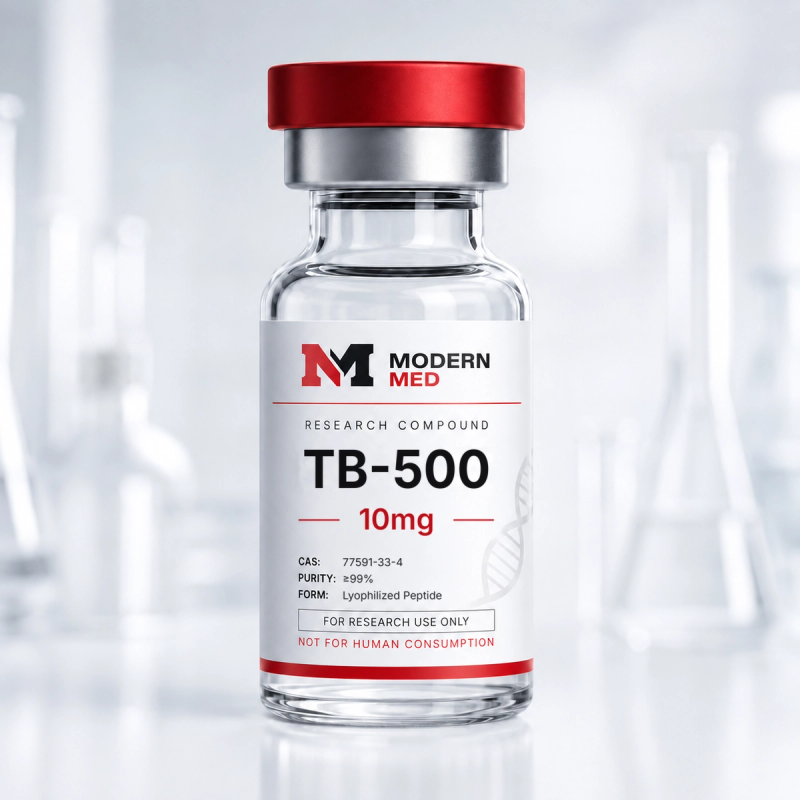
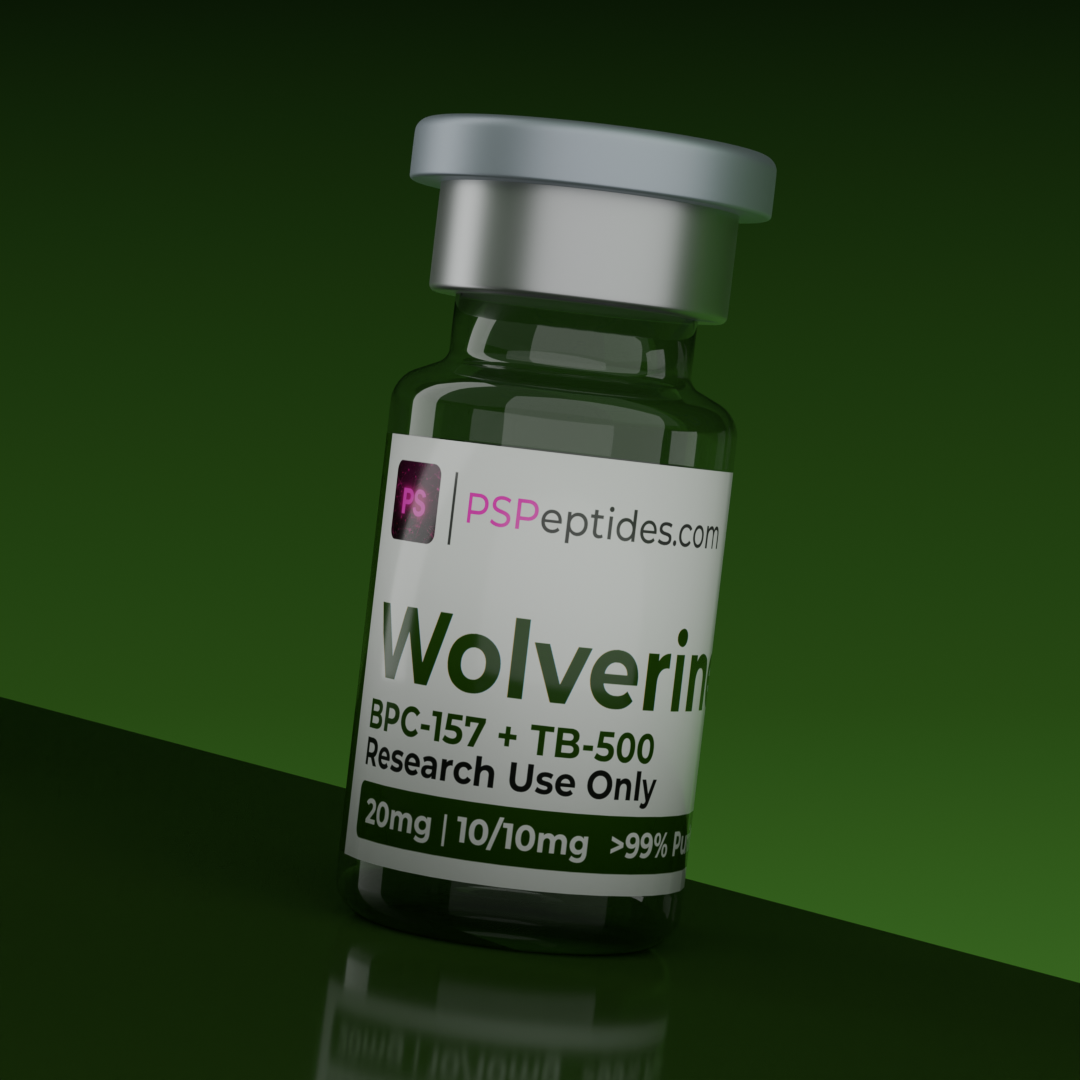
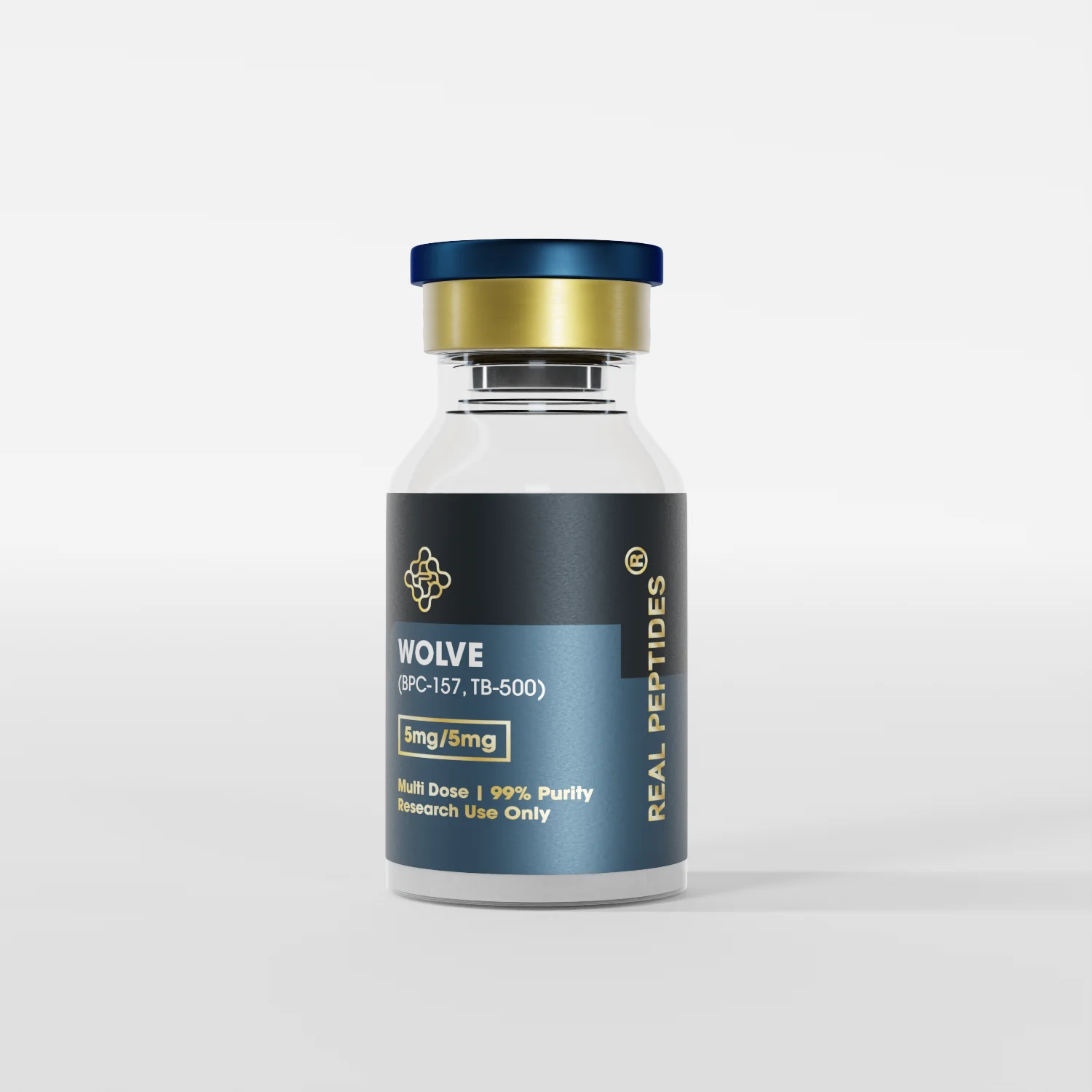
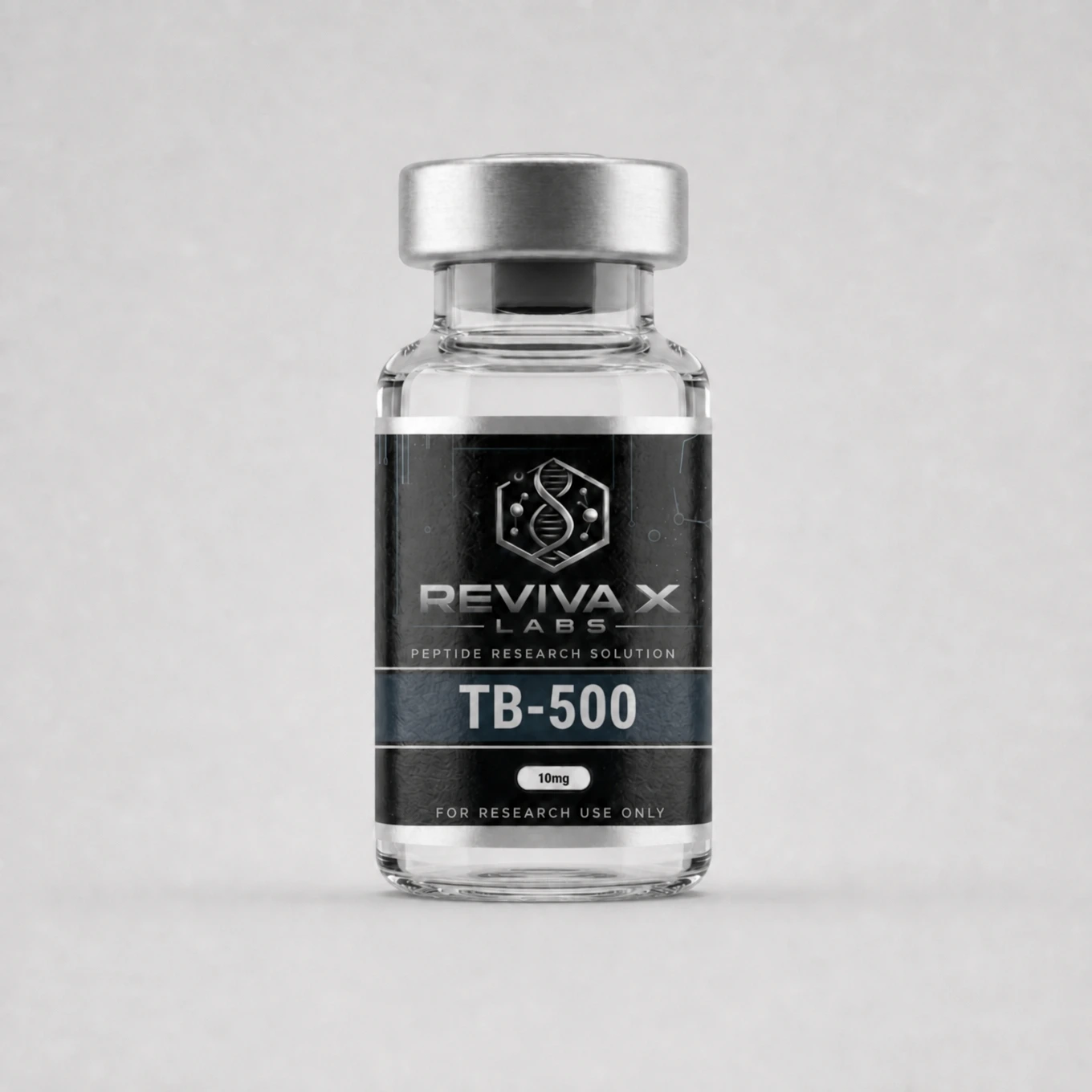
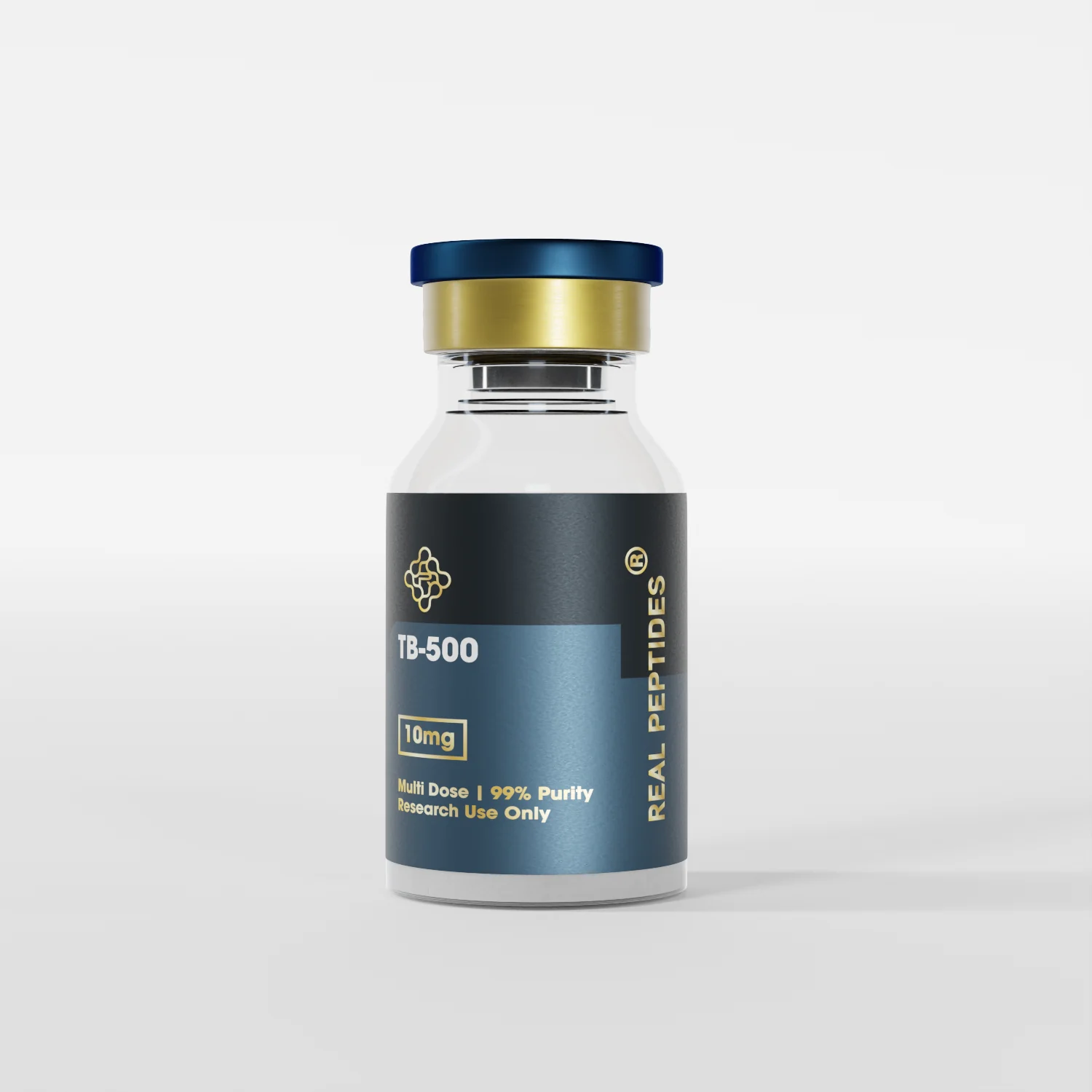
The product dimensions available on vendor webpages. The 10 mg vials in Real Peptides' Wolverine Peptide Stack are examples of pack details and specifications and should not be used as comments of a given nature.
The studies conducted on both peptides have mainly been on animals. While studies on BPC-157 have primarily been conducted on tests performed on rodents, the studies on TB-500 have been carried out on animal models but aimed at repairing damaged tissues. However, the numbers from those studies cannot be directly applied to humans.
Animals vary from humans in their metabolism, size, and substance clearing method, and animal experiments are conducted in a controlled laboratory environment. It would take human experimentation to convert results drawn from animal research into human beings. If a website names a specific amount for humans "based on the studies", it goes beyond what the studies can support.
The BPC157 TB500 dosage figures that circulate on forums and social media are anecdotes. They describe what individuals say they did, not what was tested.
A few reasons they should not be read as guidance:
I would treat a confident protocol as a warning sign rather than a reassurance. Our side effects page explains why the safety picture is equally thin.
Regulators on both sides of the Atlantic look at how a product is presented, not only at its label. In the US, the August 2026 warning letters made the point directly: "research use only" labels did not decide the question, and the FDA looked at the whole website, including disease claims and dosing guidance. BPC-157 and TB-500 were not among the products named in those letters.
In the UK, the Human Medicines Regulations 2012 class a product by its intended use. If it is promoted to treat injury, cognition or metabolic health, it can be treated as a medicine. Usage instructions alongside healing claims are the clearest form of that promotion, and the MHRA's investigation of UK peptide clinics, reported in April 2026, focused on medicinal claims. Our TB-500 UK guide sets out the legal position.
BPC157 TB500 dosage is not like any dosage publicized on the internet. For any licensed medicine, the prescriber determines the dosage based on the product license, clinical evidence collected during trials, and the patient’s condition.
A prescriber considers the other conditions and medications that you have. They also check if there will be any interactions and review the efficacy of the treatment. None of this can take place with an unlicensed research compound bought from a vendor in the US which has not even been confirmed for delivery in the UK.
If you have an injury or condition you hoped these peptides might help, speak to your GP or pharmacist about licensed options. Athletes should also note both compounds are banned in sport, as our WADA and UKAD page explains.
On 24 August 2026 the US FDA sent warning letters to five online peptide vendors and said it treated dosing guidance, reconstitution calculators and bacteriostatic water sold next to injectables as evidence that products were meant for human use. That is the context for any search on BPC157 TB500 dosage: no regulator anywhere has approved a dose of either peptide, and a seller that supplies one is signalling human use of an unlicensed product.
Thus, this page does not provide the dose, schedule, or "protocol." It explains why there are no approved ones, where the numbers you see on the web come from, and how the dose is determined for the approved medications.
There is no approved human dose of BPC-157, TB-500 or the two together. Neither is a licensed medicine in the UK, and neither is approved by the US FDA for human use.
Medicines that have licenses come with an established dose because such medicines go through trials and a regulatory review process to determine such a dose. Since BPC-157 is still at a preclinical level of research, the available evidence is limited mainly to small group studies. Similarly, the human data for TB-500 is very limited. Thus, without the required trials, there is a lack of any evidence base about the safe or efficient dosage for these medications.
The product dimensions available on vendor webpages. The 10 mg vials in Real Peptides' Wolverine Peptide Stack are examples of pack details and specifications and should not be used as comments of a given nature.
The studies conducted on both peptides have mainly been on animals. While studies on BPC-157 have primarily been conducted on tests performed on rodents, the studies on TB-500 have been carried out on animal models but aimed at repairing damaged tissues. However, the numbers from those studies cannot be directly applied to humans.
Animals vary from humans in their metabolism, size, and substance clearing method, and animal experiments are conducted in a controlled laboratory environment. It would take human experimentation to convert results drawn from animal research into human beings. If a website names a specific amount for humans "based on the studies", it goes beyond what the studies can support.
The BPC157 TB500 dosage figures that circulate on forums and social media are anecdotes. They describe what individuals say they did, not what was tested.
A few reasons they should not be read as guidance:
I would treat a confident protocol as a warning sign rather than a reassurance. Our side effects page explains why the safety picture is equally thin.
Regulators on both sides of the Atlantic look at how a product is presented, not only at its label. In the US, the August 2026 warning letters made the point directly: "research use only" labels did not decide the question, and the FDA looked at the whole website, including disease claims and dosing guidance. BPC-157 and TB-500 were not among the products named in those letters.
In the UK, the Human Medicines Regulations 2012 class a product by its intended use. If it is promoted to treat injury, cognition or metabolic health, it can be treated as a medicine. Usage instructions alongside healing claims are the clearest form of that promotion, and the MHRA's investigation of UK peptide clinics, reported in April 2026, focused on medicinal claims. Our TB-500 UK guide sets out the legal position.